The Science of THC: How Cannabis Gets You High
The Science of THC: How Cannabis Gets You High
Ever wondered what’s actually happening in your brain when you experience a cannabis high? For centuries, people have been fascinated by the plant’s ability to alter consciousness, but it’s only in recent decades that we’ve begun to understand the intricate science behind it. The star of the show is a molecule called Tetrahydrocannabinol, or THC. This article will explore the fascinating science of how THC works, demystifying the process and providing a clear understanding of how this compound interacts with our bodies to produce its famous effects.
What is THC?
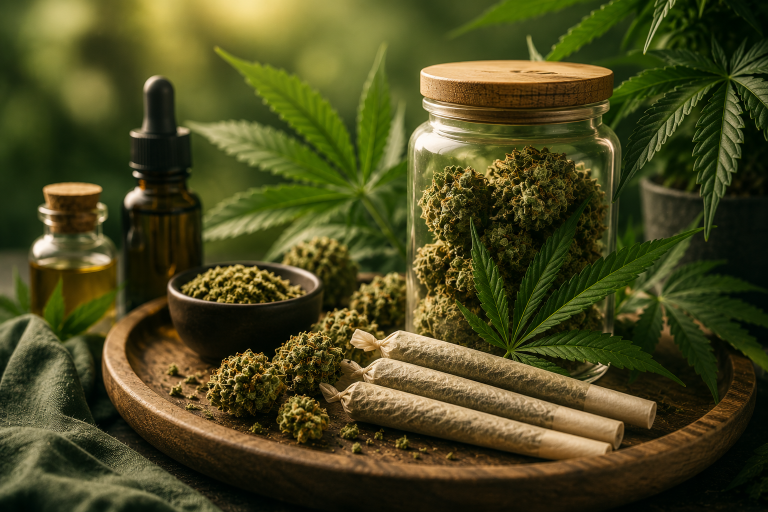
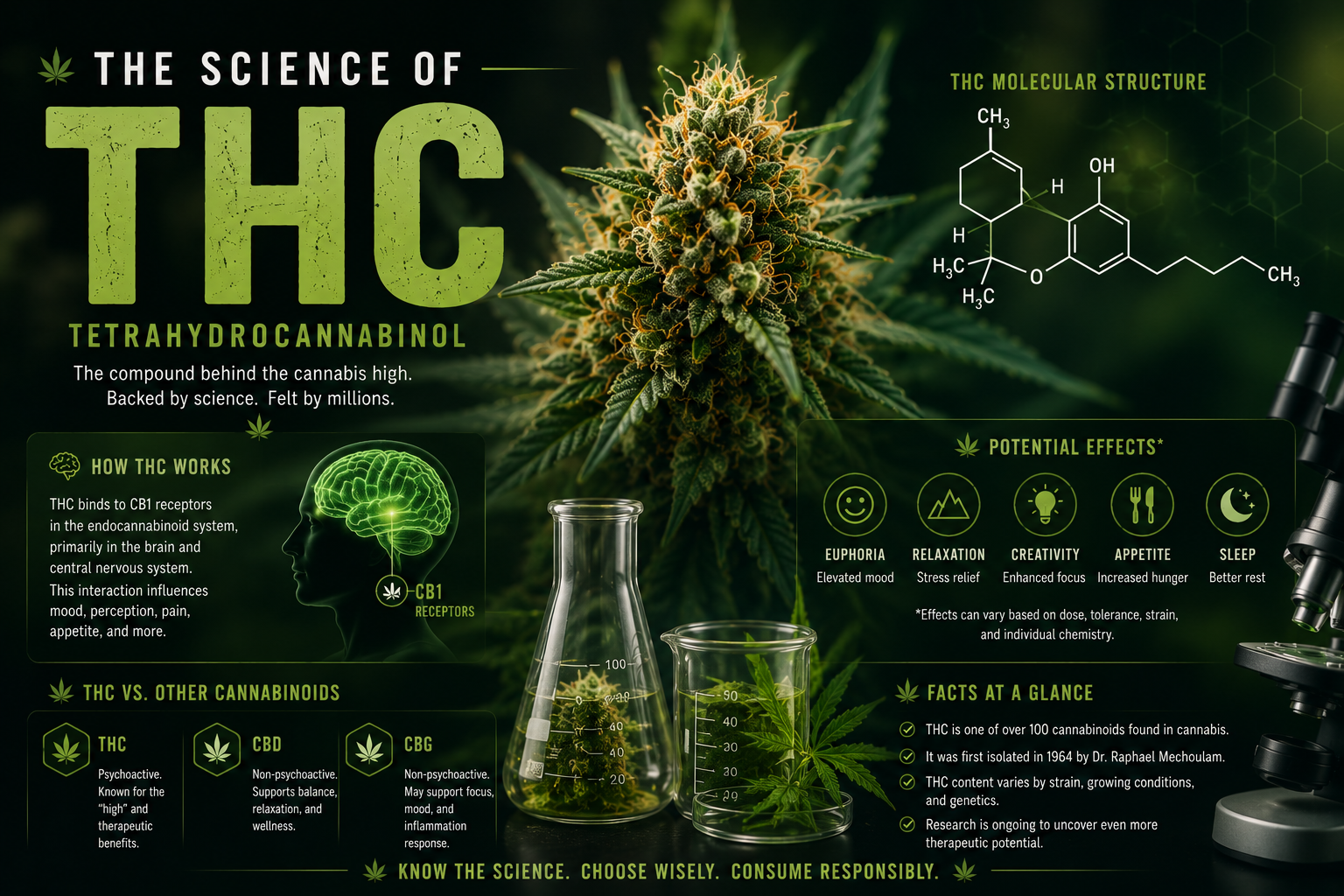
THC, or Delta-9-Tetrahydrocannabinol, is the primary psychoactive compound found in the cannabis plant. It is one of over 100 cannabinoids, which are naturally occurring compounds in the cannabis plant that interact with the human body’s endocannabinoid system. While other cannabinoids like CBD (cannabidiol) have gained popularity for their therapeutic benefits without the high, THC is the one responsible for the euphoric and mind-altering effects associated with marijuana. In its raw form, cannabis contains THCA (tetrahydrocannabinolic acid), a non-psychoactive precursor to THC. It’s only through a process called decarboxylation, which occurs when cannabis is heated (smoked, vaped, or cooked), that THCA is converted into the psychoactive THC that we are all familiar with.
The Endocannabinoid System: Your Body’s Inner Cannabis Network
To understand how THC works, we first need to understand the endocannabinoid system (ECS). The ECS is a complex cell-signaling system that was discovered in the early 1990s by researchers exploring THC. It is a vital molecular system for helping to maintain homeostasis, or balance, within the body. The ECS is comprised of three core components:
- Endocannabinoids: These are molecules made by your body. The two key endocannabinoids are anandamide and 2-arachidonoylglycerol (2-AG).
- Receptors: These are found throughout your body. Endocannabinoids bind to them in order to signal that the ECS needs to take action. The two main receptors are CB1 and CB2 receptors.
- Enzymes: These are responsible for breaking down endocannabinoids once they’ve carried out their function.
The ECS is involved in regulating a wide range of functions and processes, including sleep, mood, appetite, memory, reproduction, and fertility. CB1 receptors are primarily found in the central nervous system (the brain and spinal cord), while CB2 receptors are more often found on immune cells, in the gastrointestinal tract, and in the peripheral nervous system.
How THC Interacts with the Endocannabinoid System
THC’s psychoactive effects are a result of its ability to mimic the endocannabinoids our bodies produce naturally. THC has a similar molecular structure to anandamide, allowing it to bind to and activate cannabinoid receptors. However, THC’s interaction with these receptors is much more powerful and prolonged than that of our natural endocannabinoids. This is the essence of how THC works science. When THC binds to CB1 receptors in the brain, it disrupts the normal functioning of the ECS, leading to the wide array of effects that constitute the “high.”
The “High”: Unpacking the Effects of THC on the Brain
The activation of CB1 receptors in different parts of the brain by THC leads to a variety of cognitive and physical effects. Here’s a breakdown of what’s happening in your brain when you’re high:
The Euphoria and Pleasure Response
THC stimulates neurons in the brain’s reward system to release the neurotransmitter dopamine at higher levels than are typically observed. This surge of dopamine is responsible for the feelings of euphoria, pleasure, and relaxation that are commonly associated with a cannabis high.
Altered Perception of Time and Short-Term Memory
The hippocampus is the region of the brain responsible for memory formation and retrieval. THC’s interaction with CB1 receptors in the hippocampus can temporarily disrupt short-term memory, making it difficult to recall recent events. This is also why time can seem to pass more slowly or quickly when under the influence of THC.
The Infamous “Munchies”
THC also interacts with the hypothalamus, the part of the brain that regulates appetite. By stimulating the hypothalamus, THC can increase feelings of hunger, leading to the well-known phenomenon of “the munchies.” It can also enhance the sensory experience of eating, making food taste and smell more appealing.
Changes in Motor Control and Coordination
The cerebellum and basal ganglia are two brain regions that play a crucial role in motor control, coordination, and balance. THC’s influence on these areas can lead to impaired coordination and a slower reaction time, which is why it is unsafe to operate a vehicle or heavy machinery after consuming cannabis.
Beyond the High: Other Effects of THC
While THC is best known for its psychoactive effects, it also has a range of therapeutic properties that have been utilized for medicinal purposes for thousands of years. Some of the potential therapeutic benefits of THC include:
- Pain Relief: THC has analgesic properties that can help to alleviate chronic pain.
- Anti-Nausea: THC is an effective anti-emetic, making it useful for managing nausea and vomiting, particularly in cancer patients undergoing chemotherapy.
- Appetite Stimulation: For individuals experiencing a loss of appetite due to medical conditions like HIV/AIDS, THC can be a powerful appetite stimulant.
- Muscle Spasm Relief: THC has been shown to help reduce muscle spasms associated with conditions like multiple sclerosis.
- Anti-inflammatory: THC has anti-inflammatory properties that may be beneficial for a variety of inflammatory conditions.
Factors That Influence Your THC Experience
The effects of THC can vary significantly from person to person. Several factors can influence your experience, including:
- Dosage: The amount of THC consumed is a major factor in the intensity of the effects.
- Method of Consumption: The way you consume cannabis affects how quickly you feel the effects and how long they last. Smoking or vaping leads to a rapid onset of effects, while edibles take longer to kick in but can produce a more intense and longer-lasting high.
- Individual Biology: Your unique metabolism, genetics, and tolerance level all play a role in how you respond to THC.
- Strain: Different cannabis strains have different cannabinoid and terpene profiles, which can result in different effects. Indica strains are typically associated with a more relaxing and sedative high, while sativa strains are known for their uplifting and energizing effects. Hybrid strains offer a balance of both.
- Set and Setting: Your mindset and environment can also influence your experience. Consuming cannabis in a comfortable and familiar setting is more likely to result in a positive experience.
A Note on Safety and Harm Reduction
While cannabis can be a fun and therapeutic experience for many, it’s important to consume it responsibly. Understanding how THC works is a key part of harm reduction. Always start with a low dose and go slow, especially with edibles. Be aware of your tolerance and how different consumption methods affect you. And never, ever drive or operate heavy machinery under the influence of cannabis. By being mindful of these factors, you can ensure a safe and enjoyable experience.
FAQ Section
How long do the effects of THC last?
The duration of THC’s effects depends on the method of consumption. When smoked or vaped, the effects can be felt within minutes and typically last for 1-3 hours. With edibles, the effects can take 30 minutes to 2 hours to begin and can last for several hours.
Can you build a tolerance to THC?
Yes, with regular use, the body can develop a tolerance to THC, meaning you may need to consume more to achieve the same effects. Taking a tolerance break can help to reset your sensitivity to THC.
What is the difference between THC and CBD?
THC and CBD are both cannabinoids, but they have different effects on the body. THC is psychoactive and produces the “high” associated with cannabis, while CBD is non-psychoactive and is known for its therapeutic benefits, such as reducing anxiety and inflammation.
Ready to Explore the World of Cannabis?
Now that you have a better understanding of the science of how THC works, you’re better equipped to explore the world of cannabis with knowledge and confidence. Whether you’re interested in the relaxing effects of an indica, the uplifting energy of a sativa, or the balanced experience of a hybrid, Greenz Club has a wide selection of high-quality cannabis products to suit your needs. Browse our shop today and discover the perfect product for your next experience.